


1. Product Overview
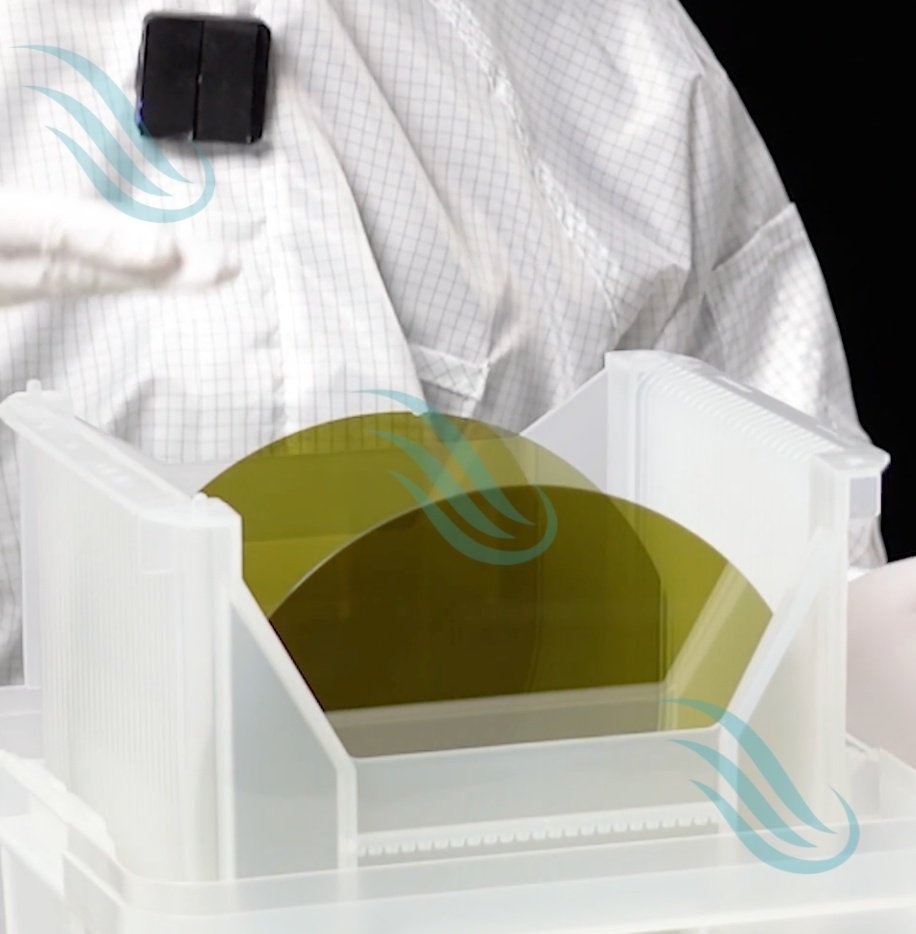
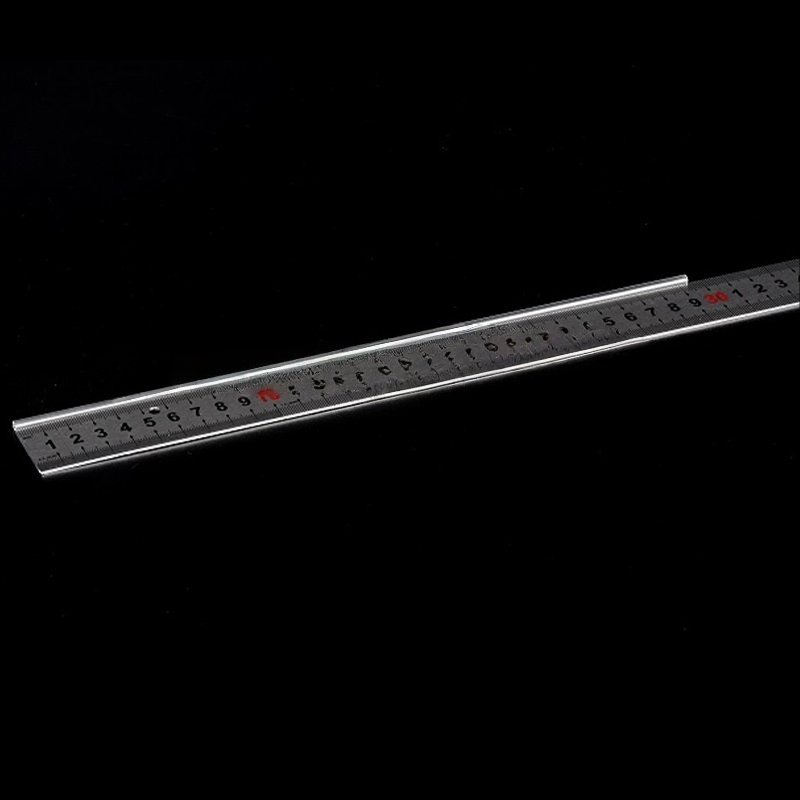
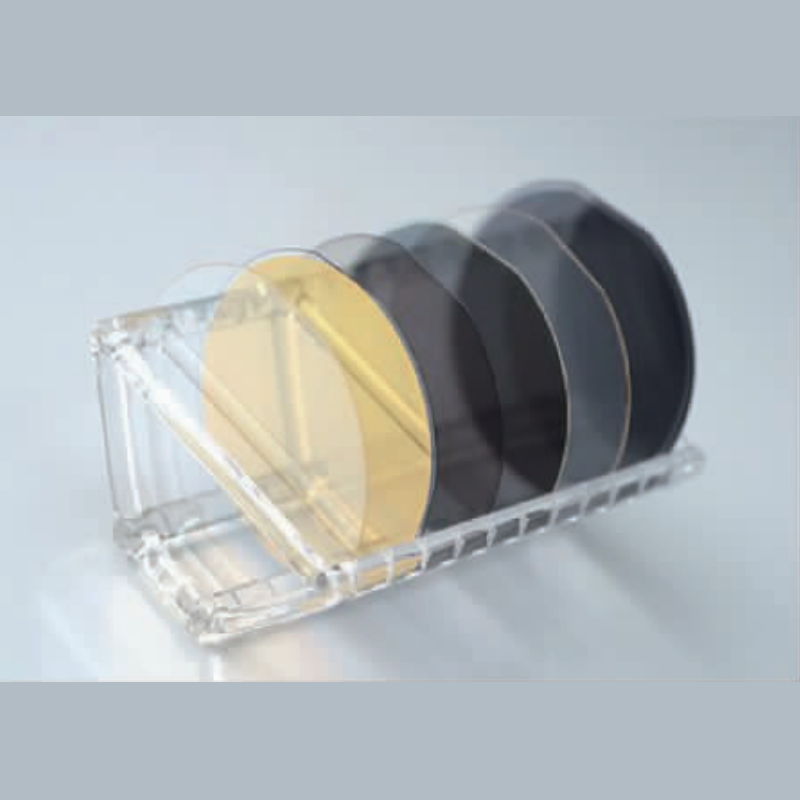
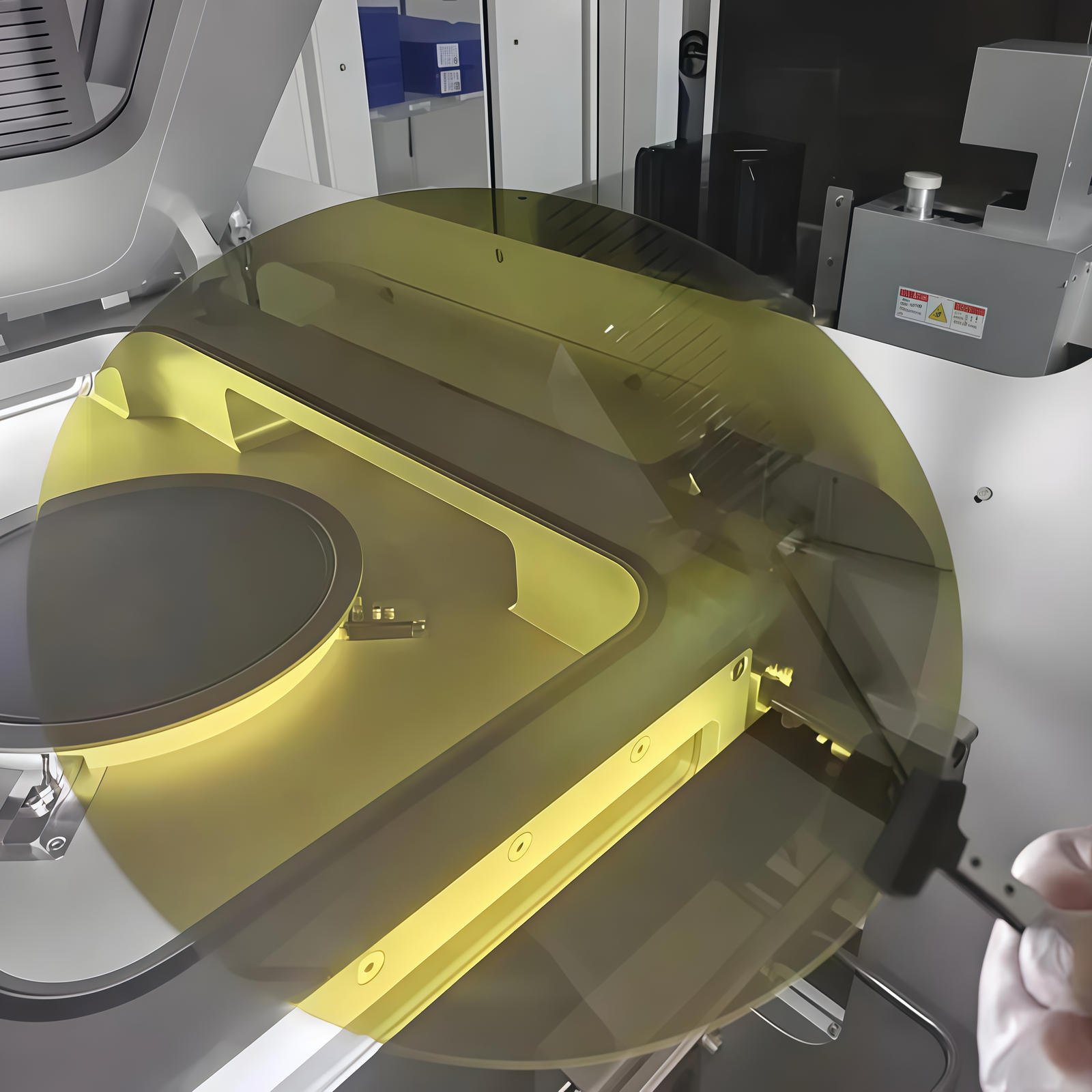
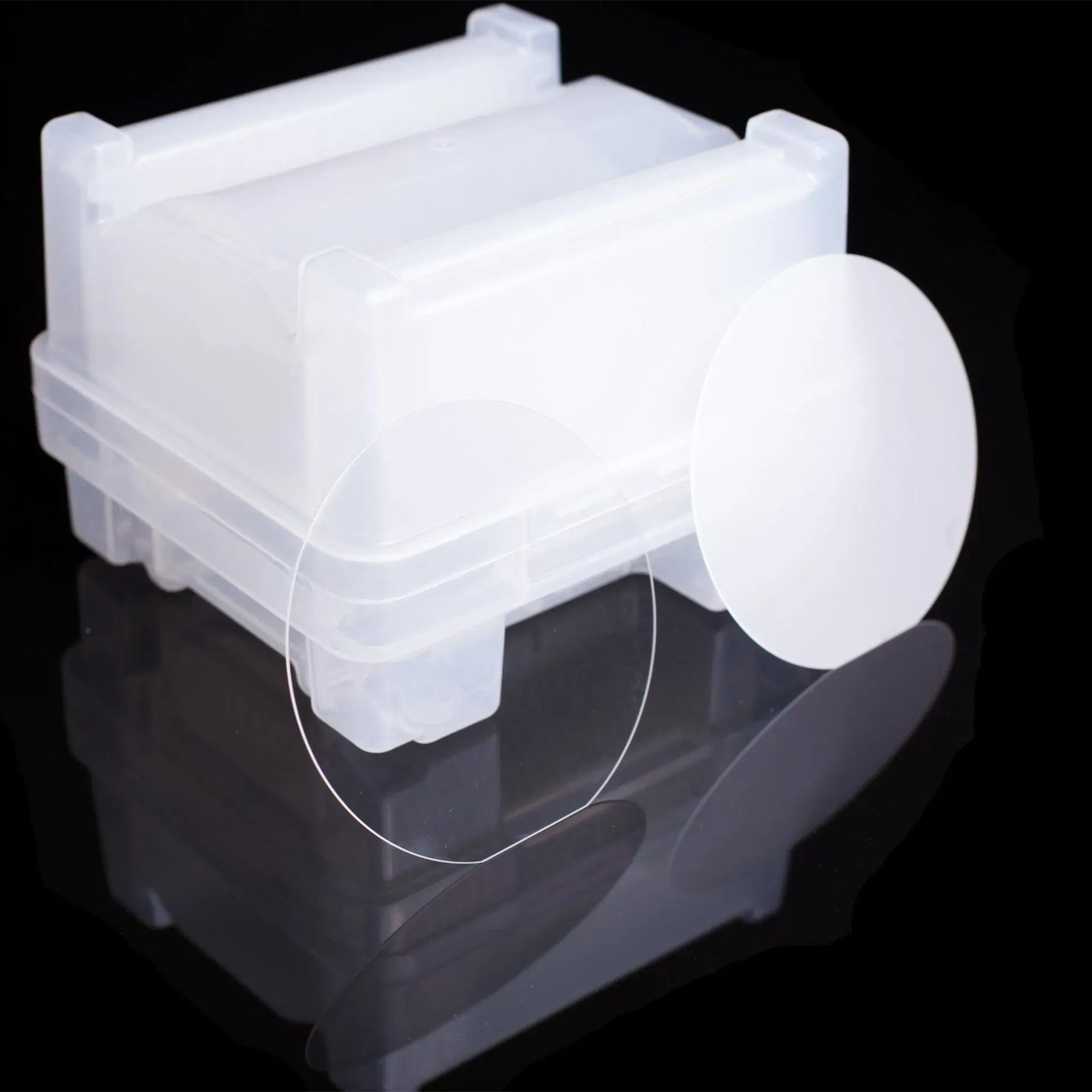
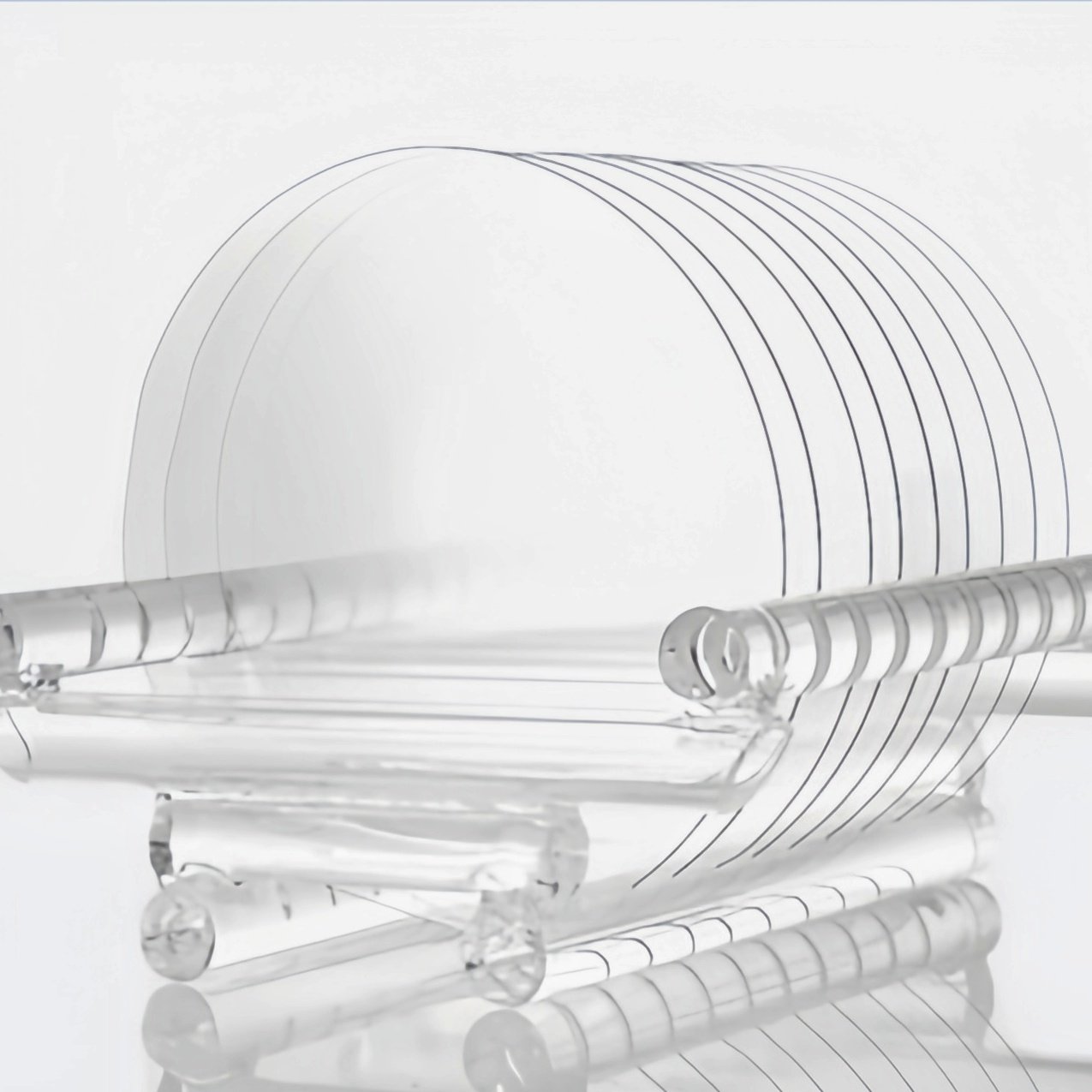
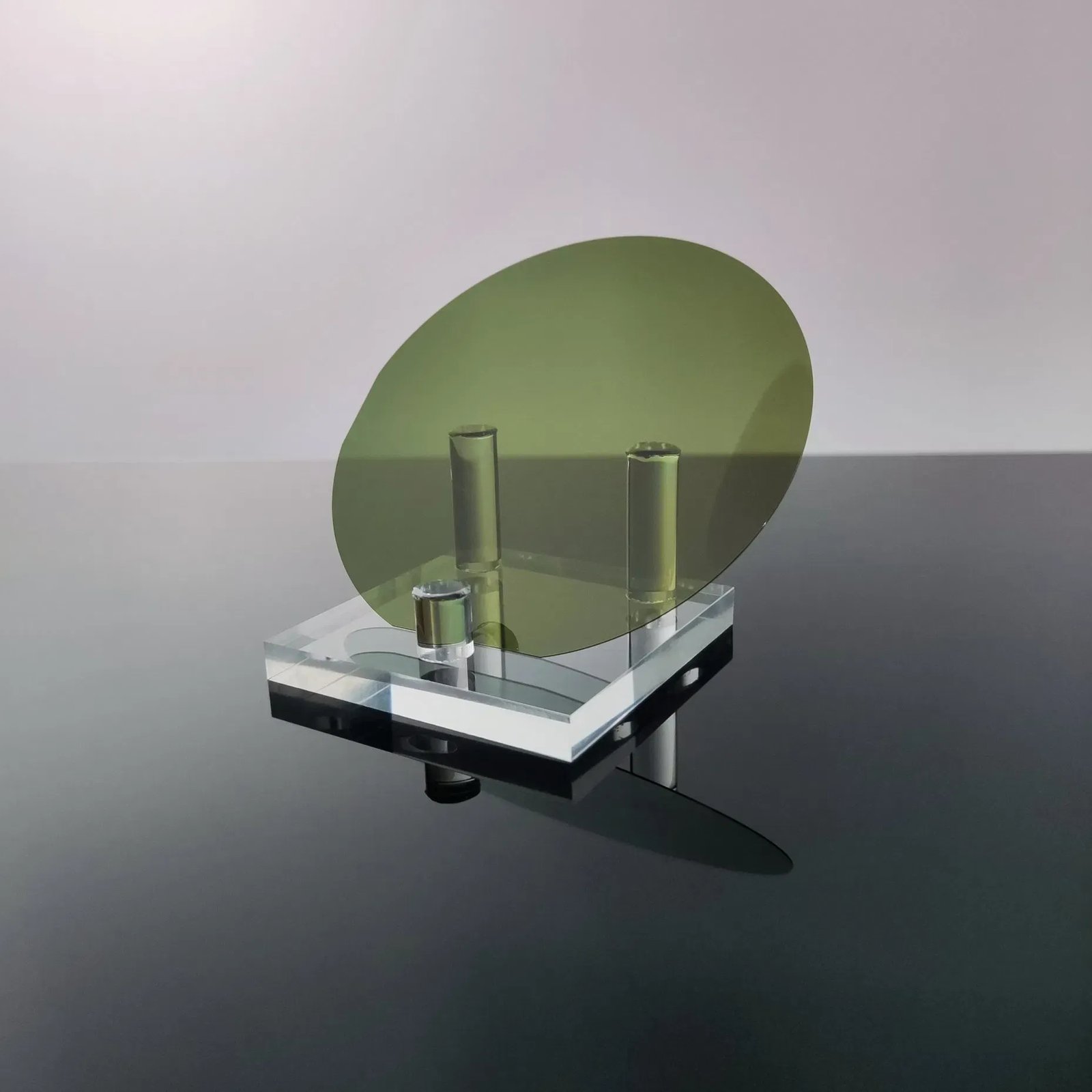
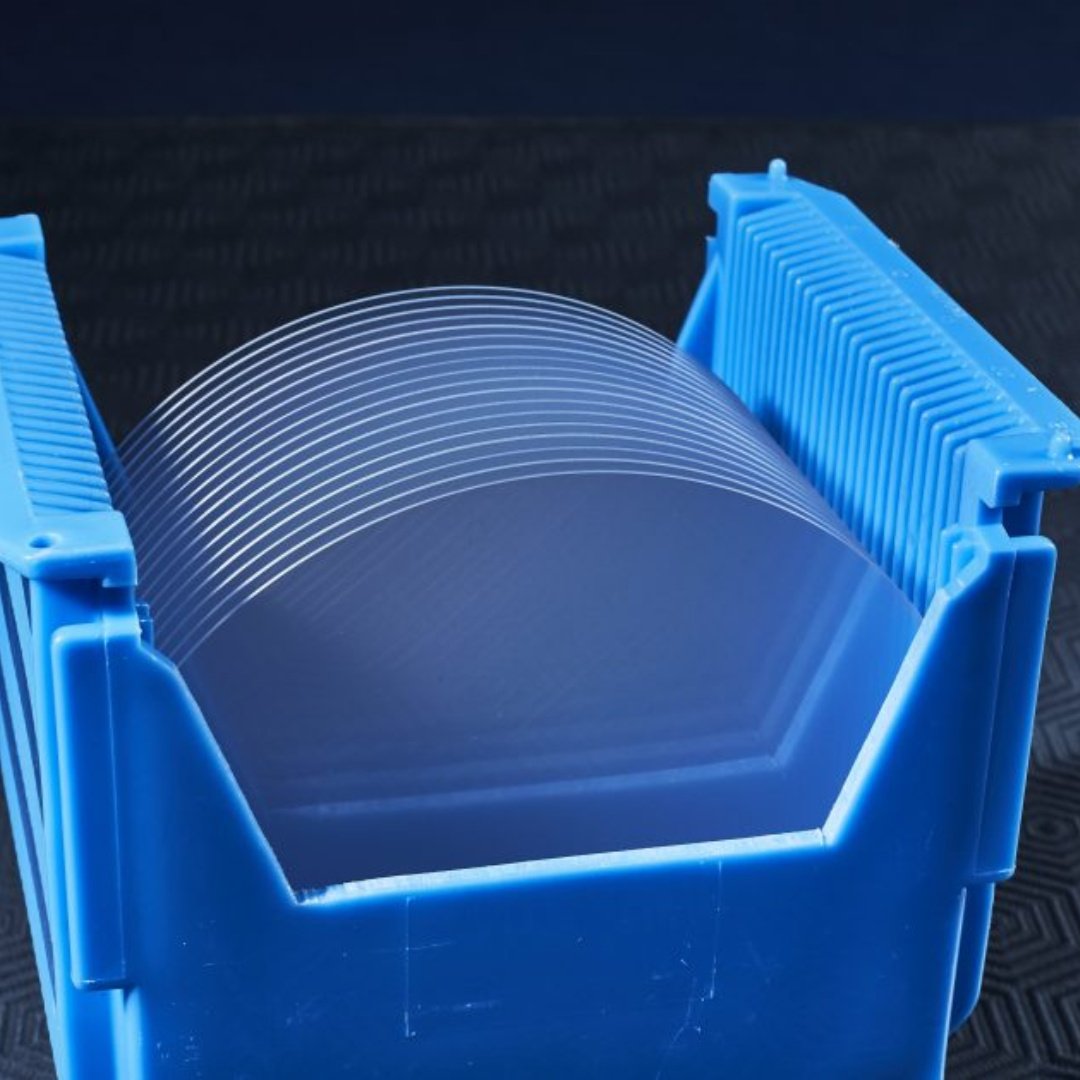
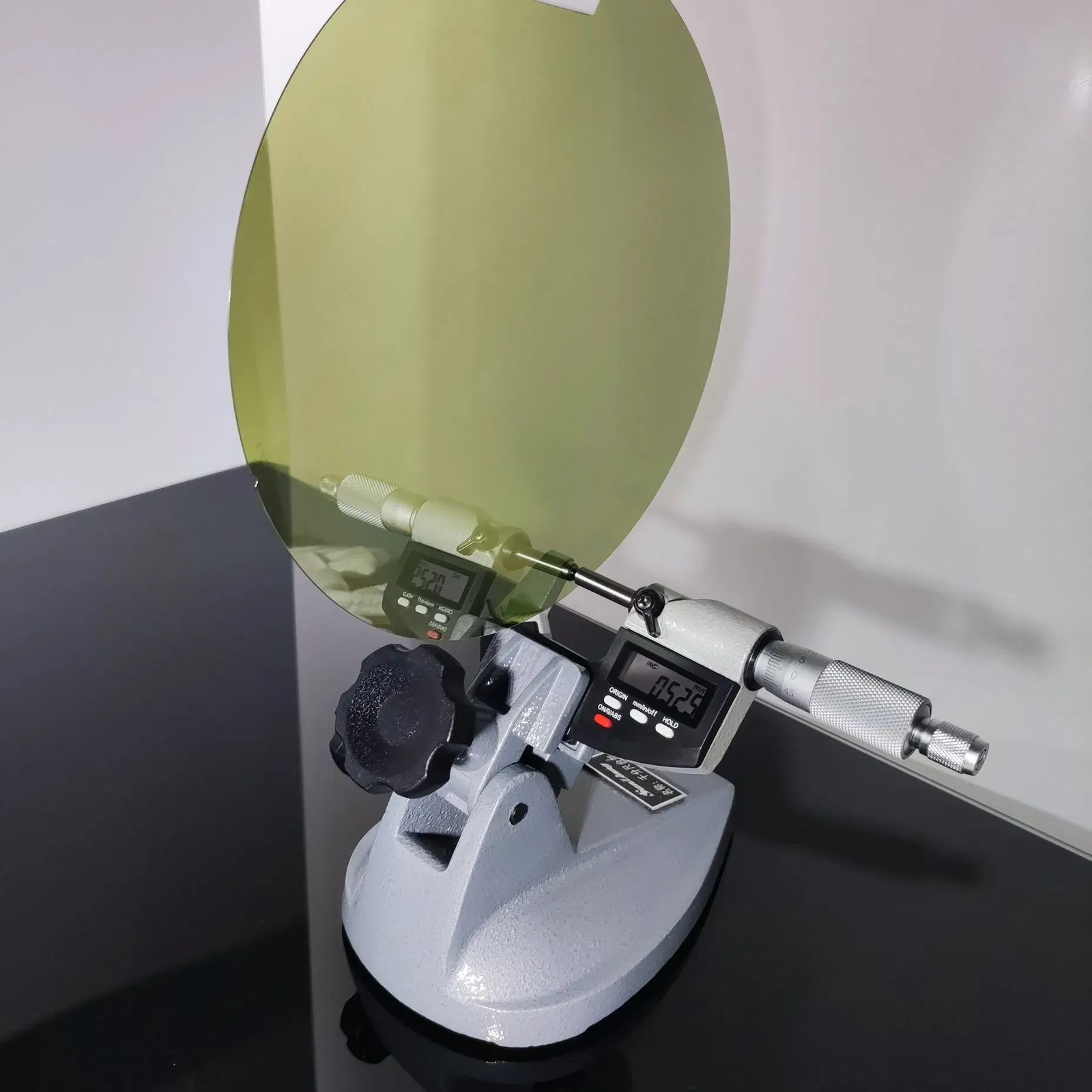
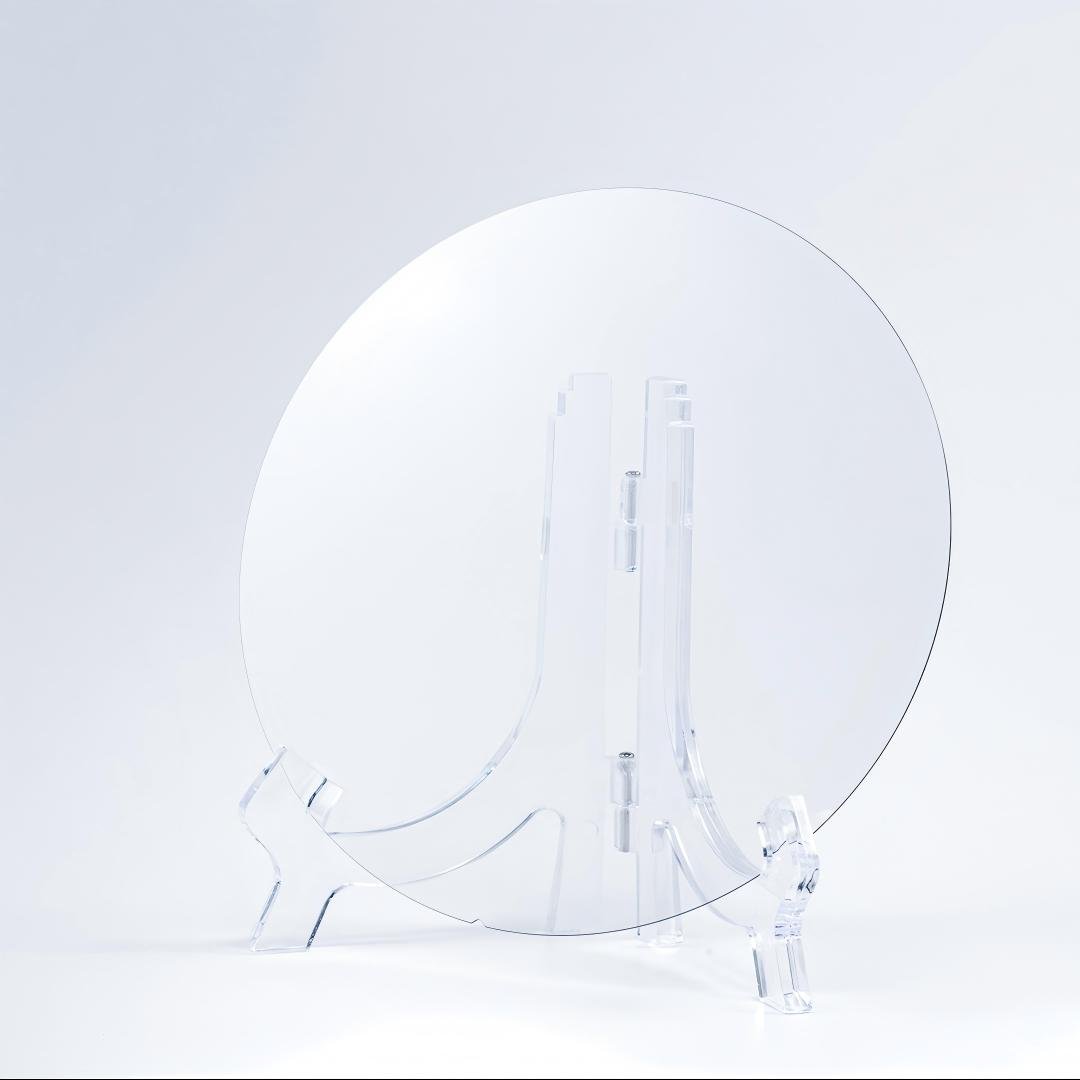
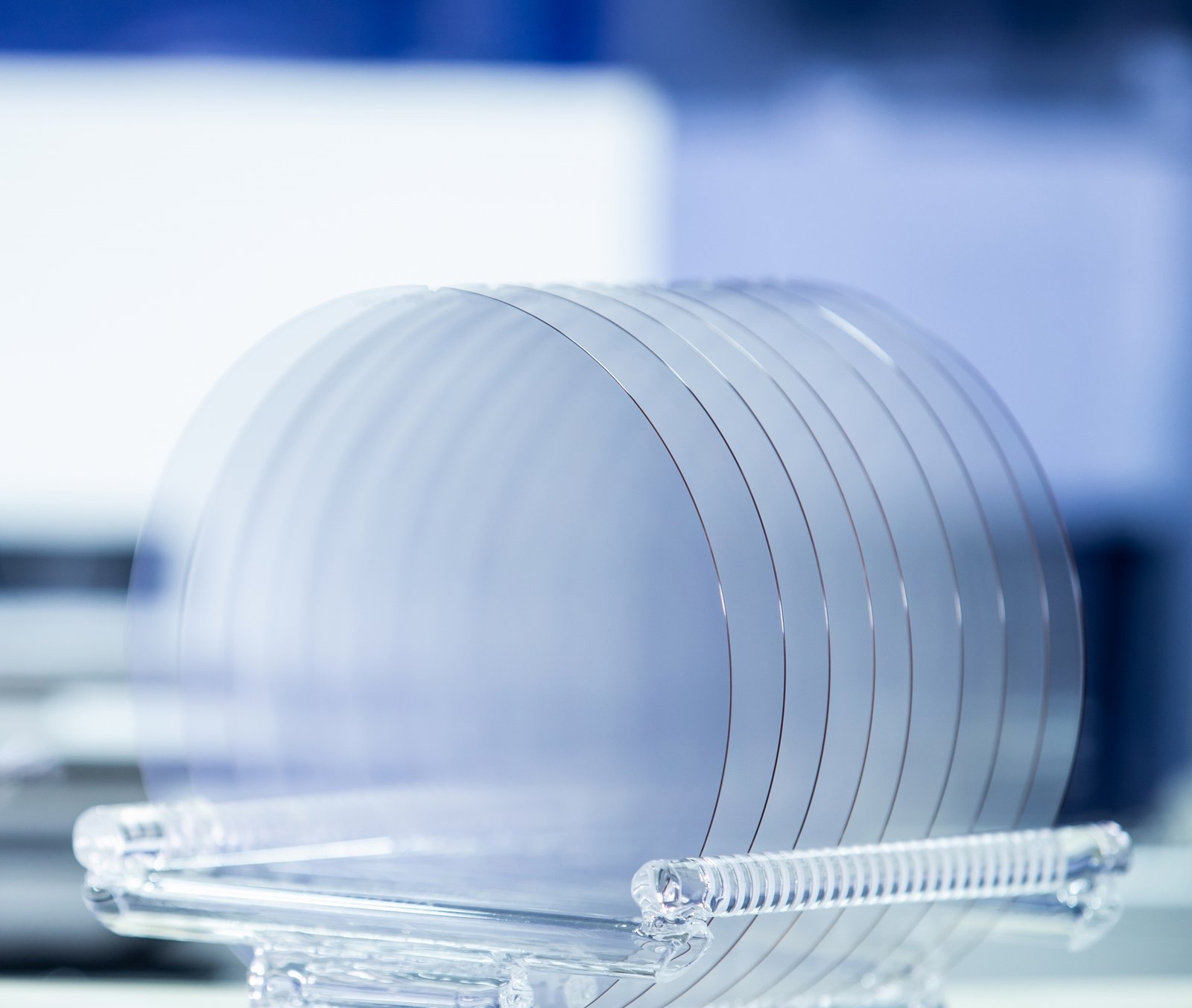
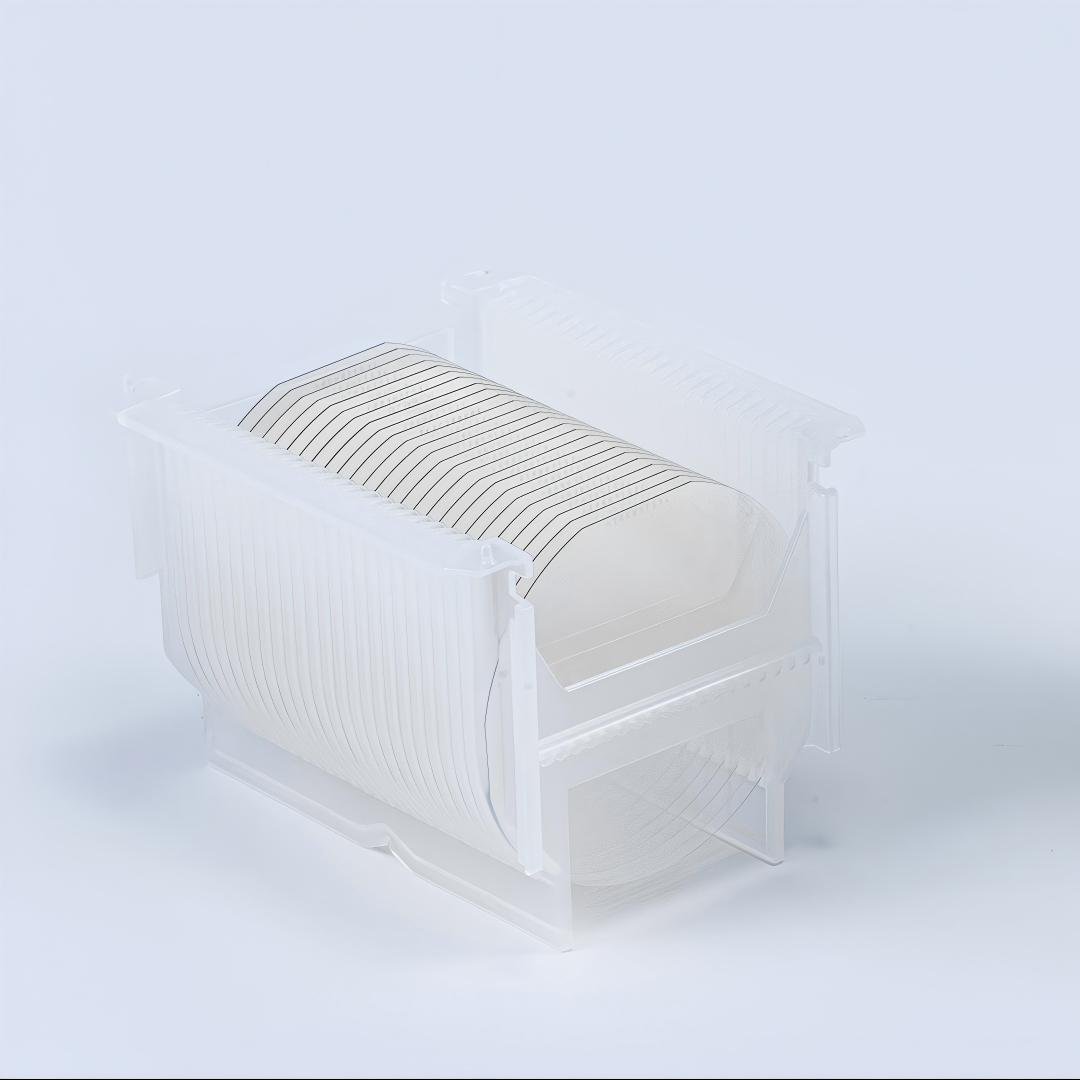
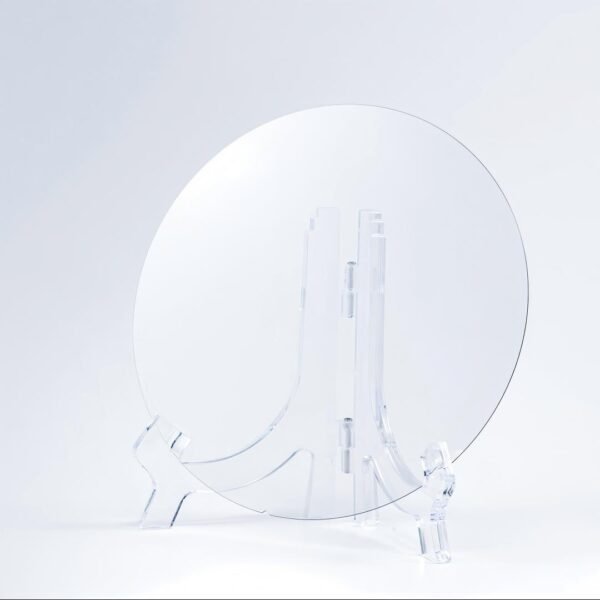
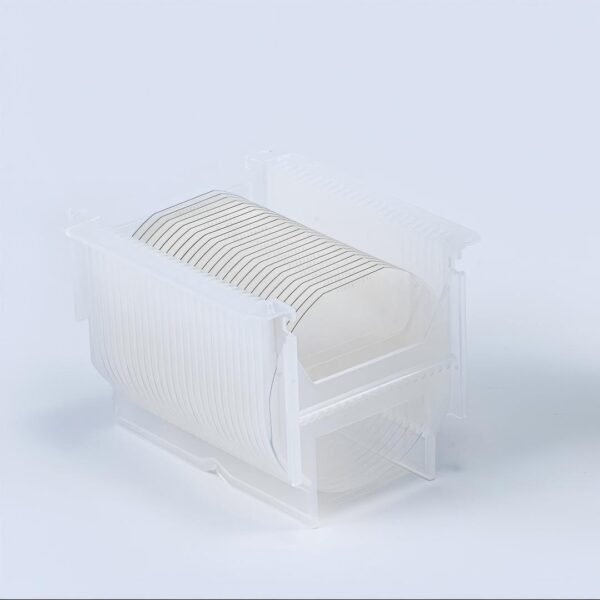
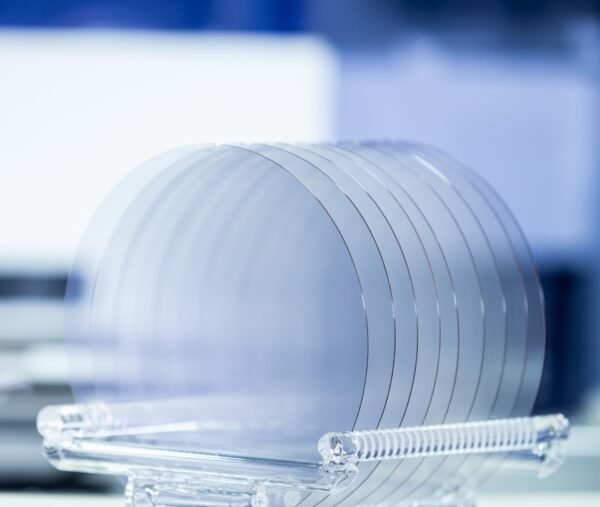
Semi-insulating silicon carbide (SI-SiC) is a cutting-edge wide bandgap semiconductor substrate. It combines high thermal conductivity, ultra-high resistivity, mechanical strength, and low dielectric loss, making it a preferred platform for RF, optoelectronic, and advanced display applications.
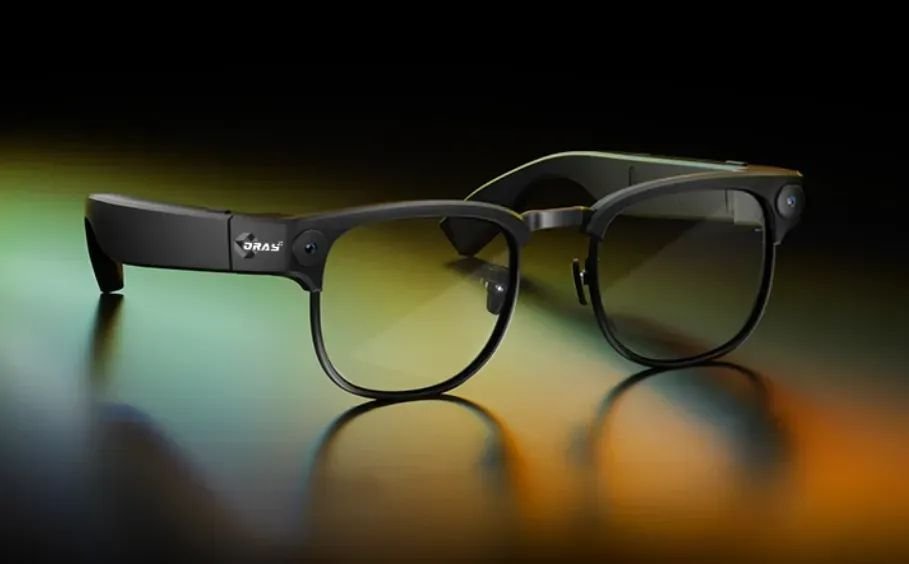
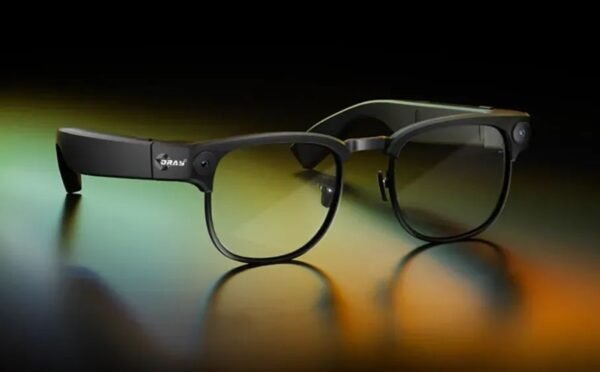
In the field of augmented reality (AR) glasses, SI-SiC substrates empower the design of compact optical engines, laser scanning modules, and high-frequency communication chips, enabling devices that are smaller, cooler, and more reliable.
2. Key Advantages
Ultra-high resistivity (≥10⁶ Ω·cm) ensures clean signal transmission and minimizes parasitic current.
Outstanding thermal conductivity (~4.9 W/cm·K) quickly dissipates heat, even in compact AR modules.
Wide bandgap (3.26 eV) guarantees stable performance under high temperatures.
Low dielectric loss enhances high-frequency and high-speed device performance.
Excellent mechanical strength and atomically smooth surface support precision nano-optical processing.
3. Application Focus: AR Glasses
By leveraging these unique advantages, SI-SiC substrates accelerate the development of advanced AR glasses:
Optical Display Modules
Provide the base for micro-laser projectors, LCOS displays, and waveguide couplers.
Deliver higher brightness with lower energy consumption.
Sensing & Interaction
Enable TOF depth sensors and infrared detectors.
Improve imaging accuracy and responsiveness for seamless user interaction.
RF & Wireless Communication
Support GaN-on-SiC devices for mmWave, 5G, and future 6G connectivity.
Ensure stable, low-latency links between AR glasses and external devices.
Thermal & Structural Integration
Efficiently manage heat in micro optical engines.
Combine lightweight design with superior durability, critical for wearable devices.
4. Typical Specifications (Customizable)
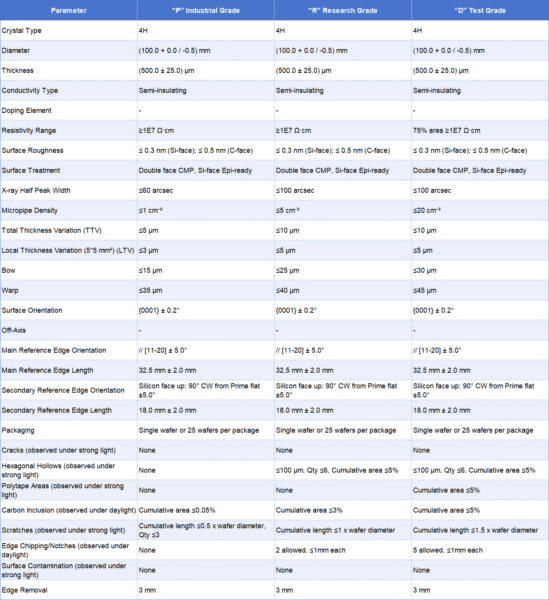
5. Value & Outlook
As AR glasses rapidly transition from industrial prototypes to consumer-ready products, SI-SiC substrates stand out as an enabling material. They not only address the thermal and electrical challenges of compact wearable devices, but also open the door to brighter displays, faster communication, and more immersive user experiences.
Therefore, SI-SiC will play a decisive role in shaping the future of immersive displays and smart interaction technologies.