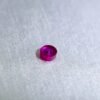

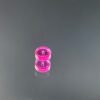
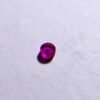

Ruby Bearing Product Introduction
1. Overview
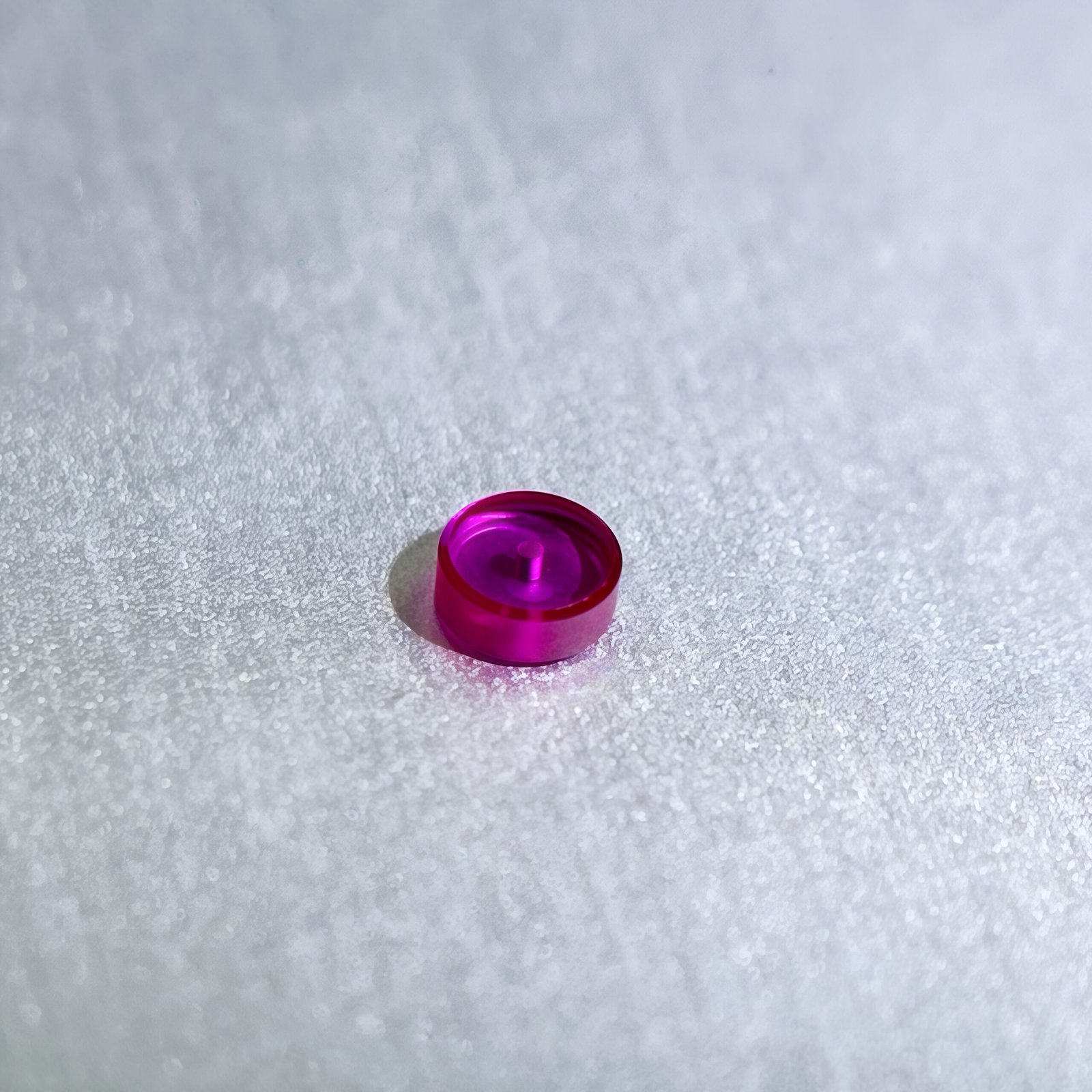
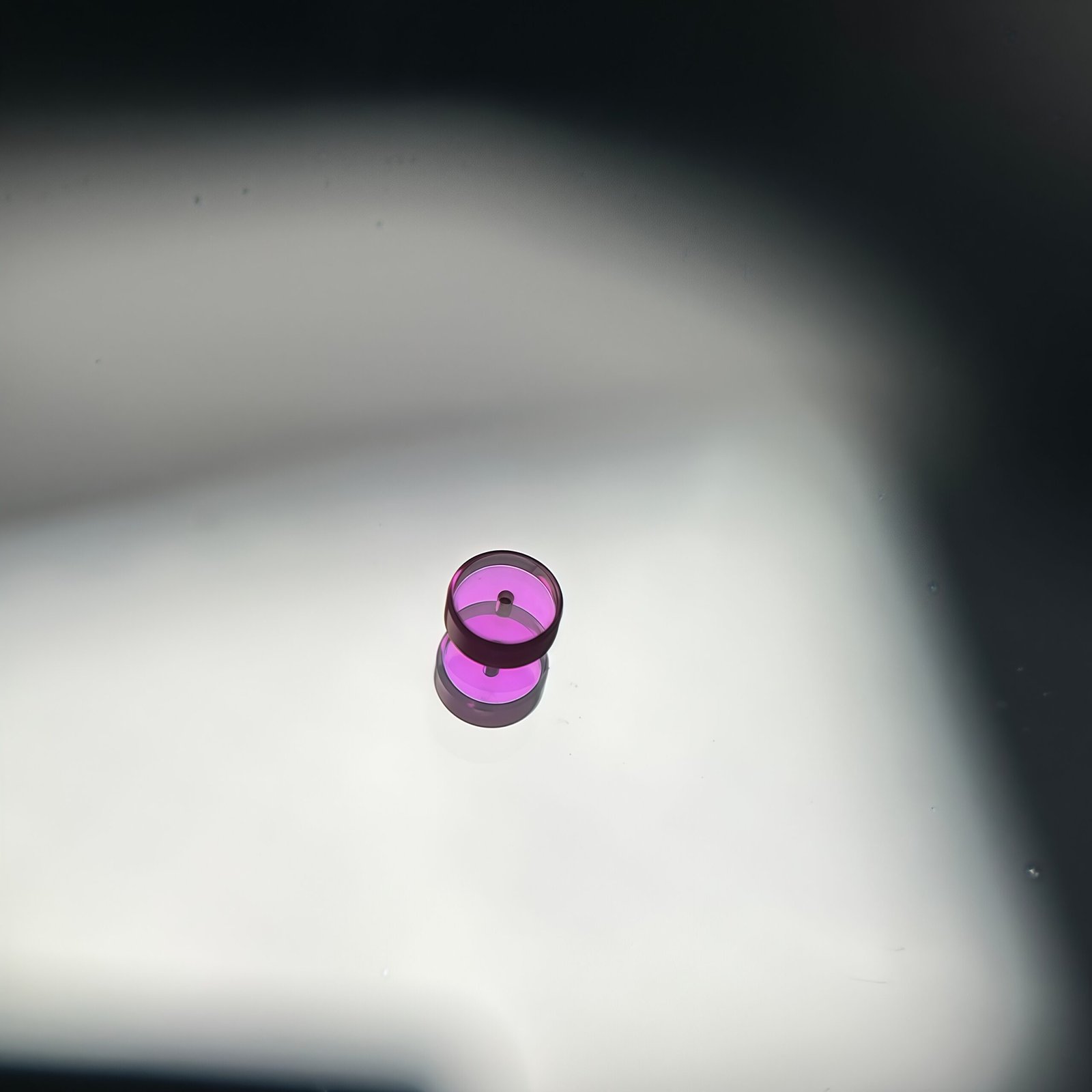
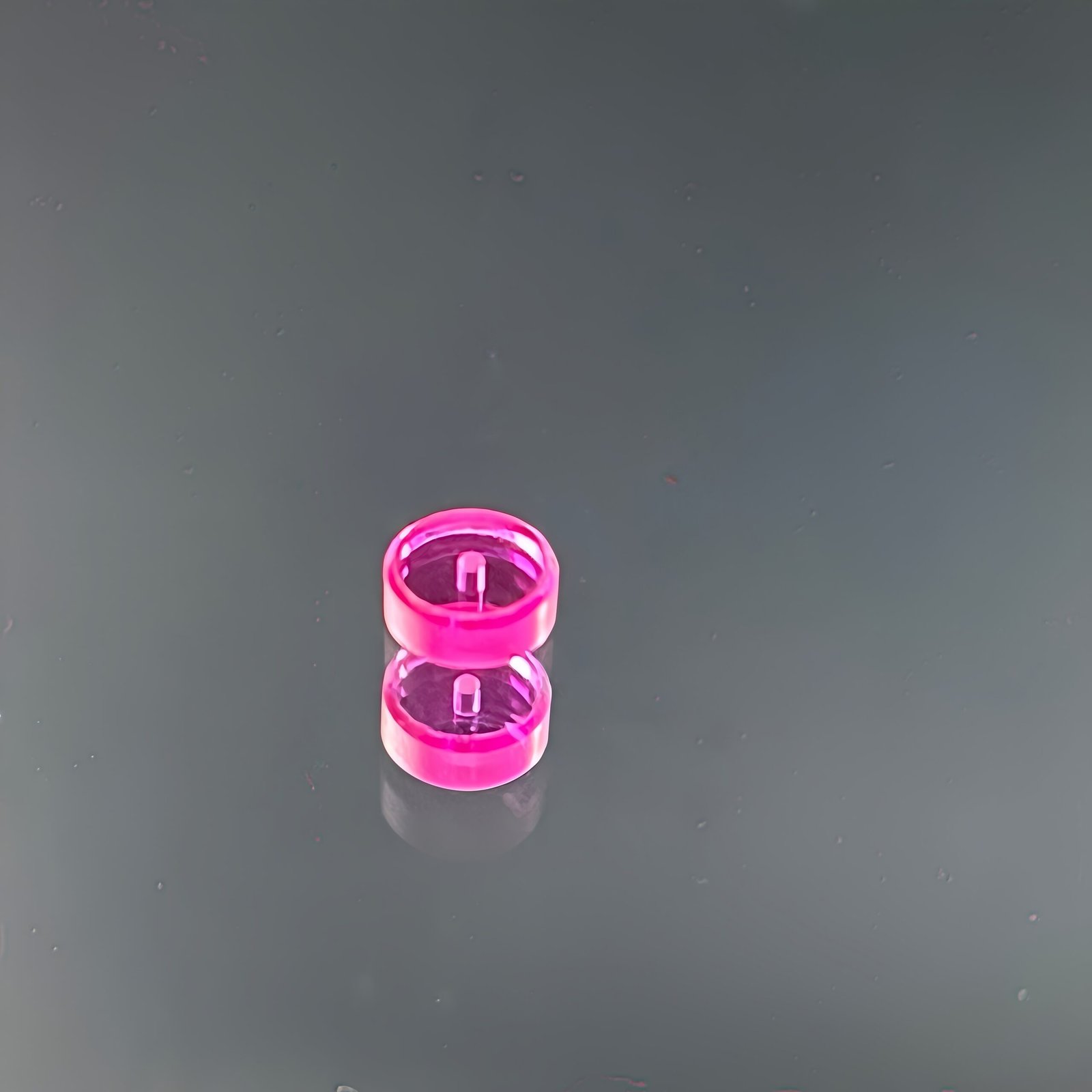
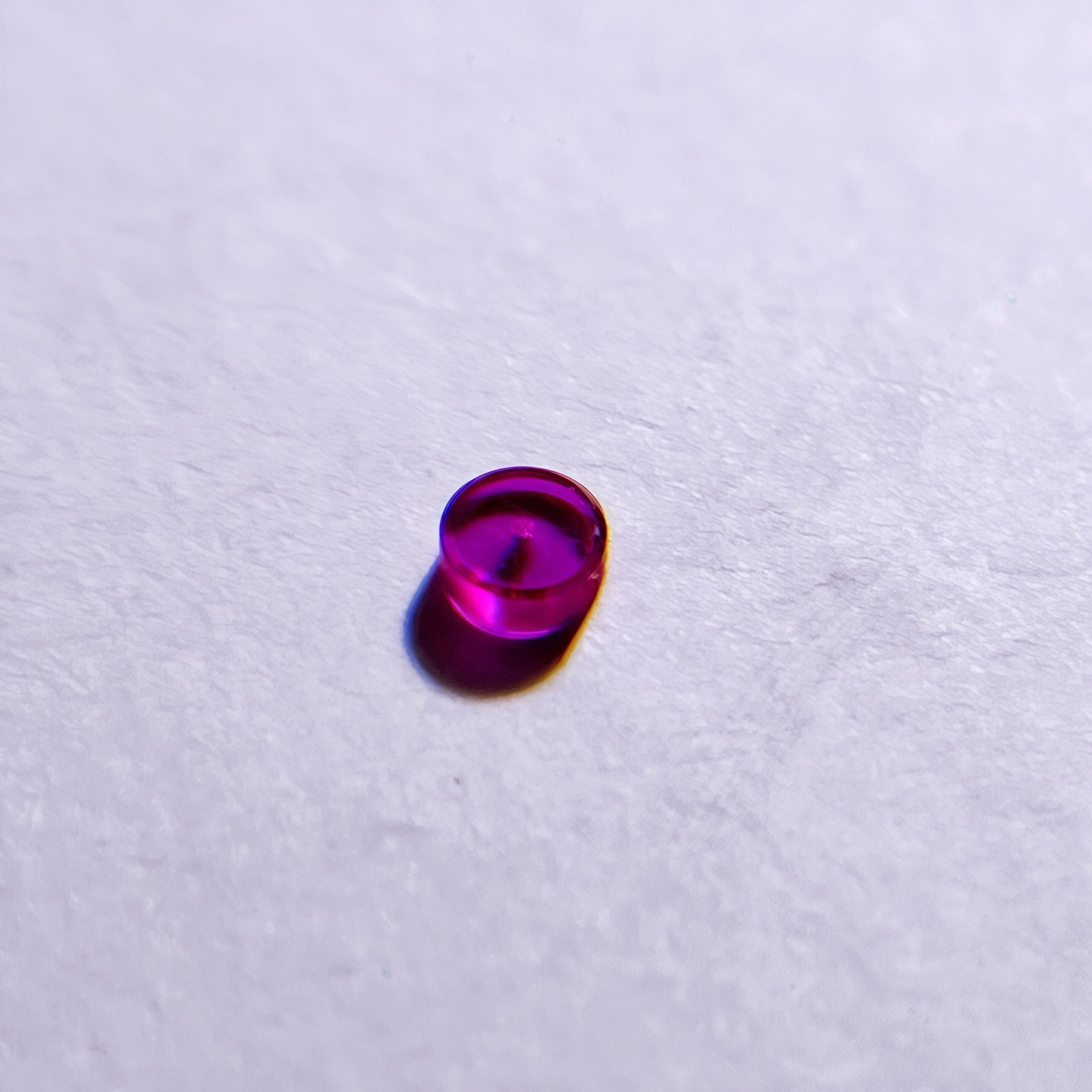
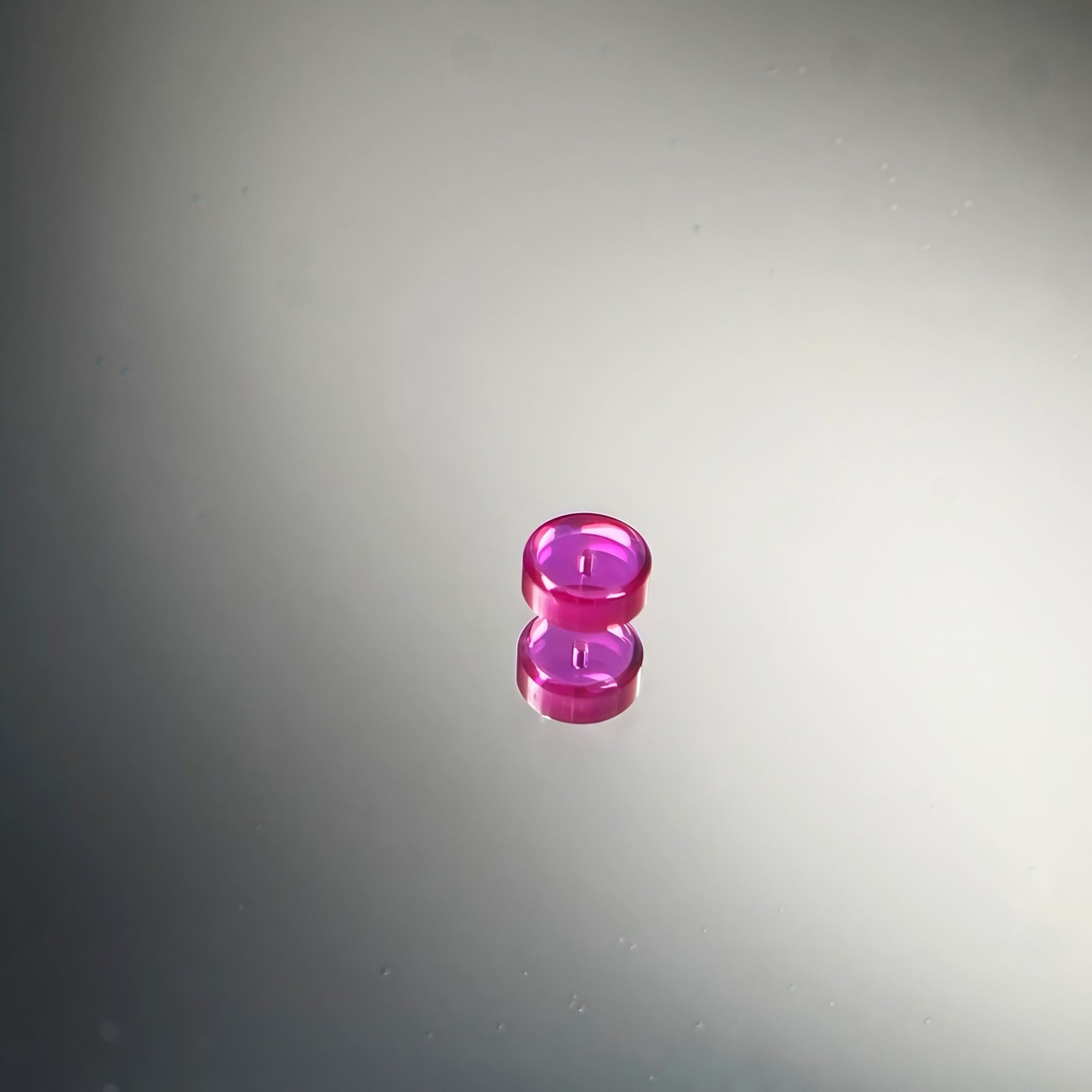
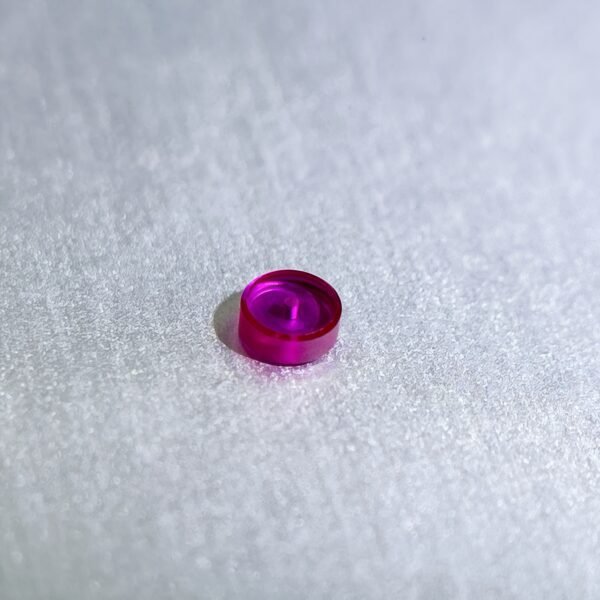
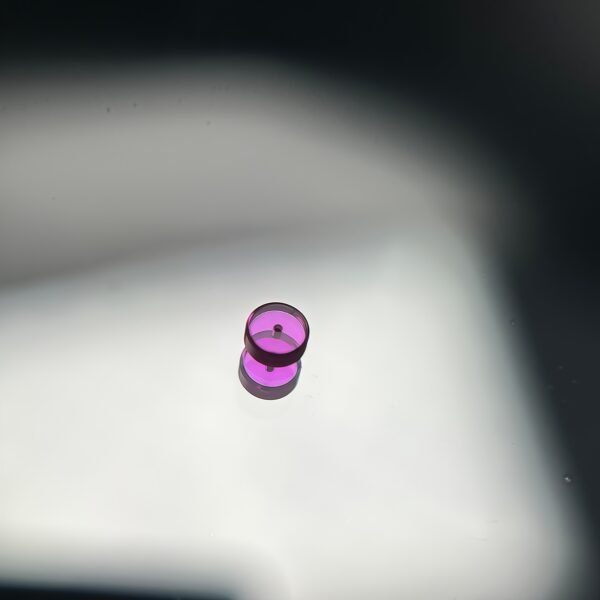
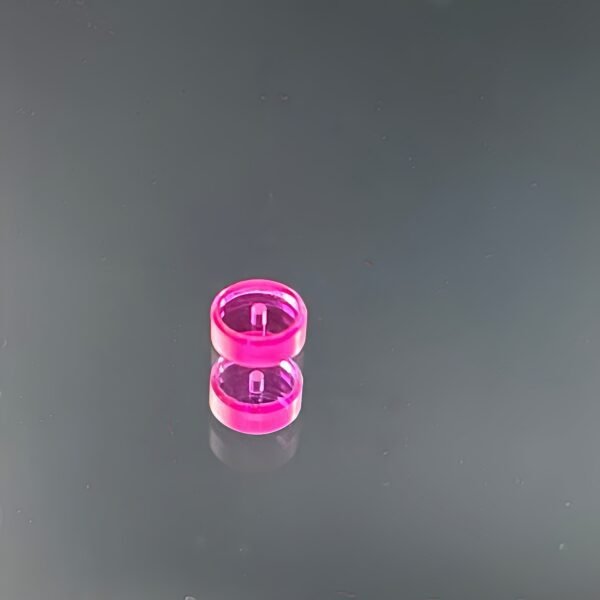
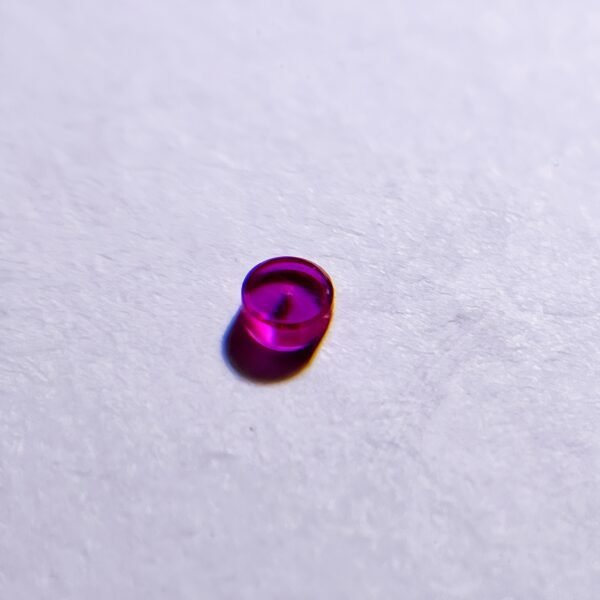
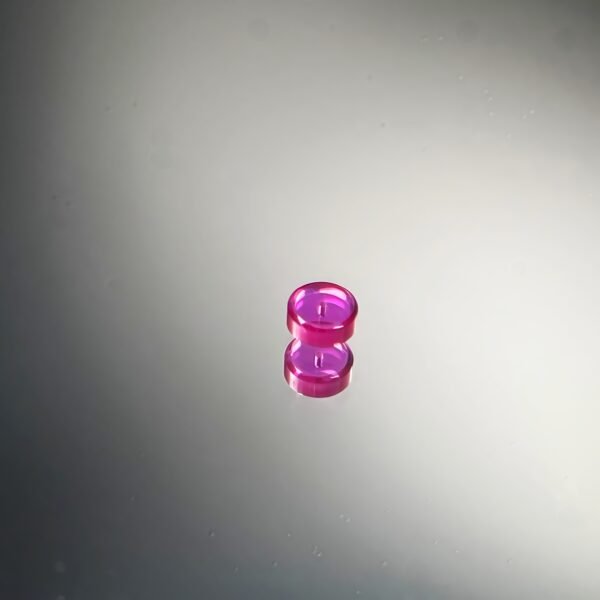
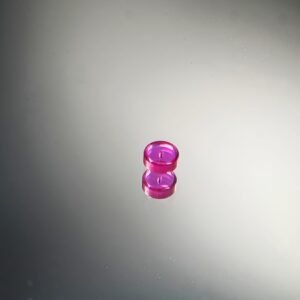
A Ruby Bearing is a precision mechanical component made of synthetic ruby (Al2O3:Cr³⁺), designed to provide extremely smooth, stable, and wear-resistant support for rotating shafts and delicate instruments. With a Mohs hardness of 9, outstanding surface finish, and excellent chemical and thermal stability, ruby bearings are ideal for use in precision instruments, watches, flowmeters, optical systems, and aerospace applications.
Compared with metal or ceramic bearings, ruby bearings offer much lower friction, higher dimensional stability, and longer operational life, making them an indispensable element in high-precision mechanical systems.
2. Key Features
Exceptional Hardness and Durability
Made from synthetic ruby, second only to diamond in hardness, ensuring long-lasting performance even under continuous use.Ultra-Low Friction Coefficient
Provides smooth motion with minimal resistance, ideal for fine mechanical movements and high-precision measurements.High Chemical and Corrosion Resistance
Resistant to acids, alkalis, solvents, and most chemical agents; ideal for harsh or cleanroom environments.High Dimensional Accuracy
Machined to micron-level tolerances, maintaining precise alignment and stability over time.Excellent Thermal Stability
Ruby bearings perform reliably in both low- and high-temperature environments, with minimal thermal expansion.
3. Main Types
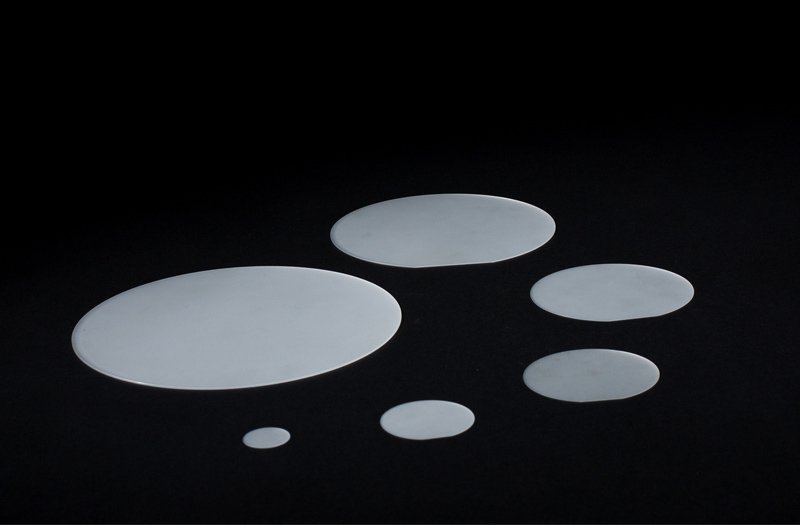
Flat Ruby Bearing
Designed with a flat surface for end-shaft support; commonly used in indicators, clocks, and measuring devices.Concave Ruby Bearing
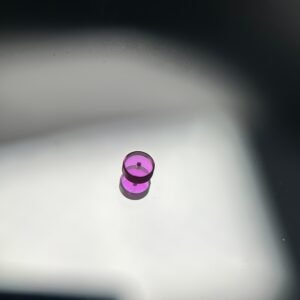
Features a spherical concave surface that mates with a ball or pivot tip, providing self-centering support and reducing vibration.Ruby Cup Bearing
Deep concave design suitable for high-load or high-speed rotation; used in gyroscopes and precision rotors.Ruby Bearing Plates & Rings
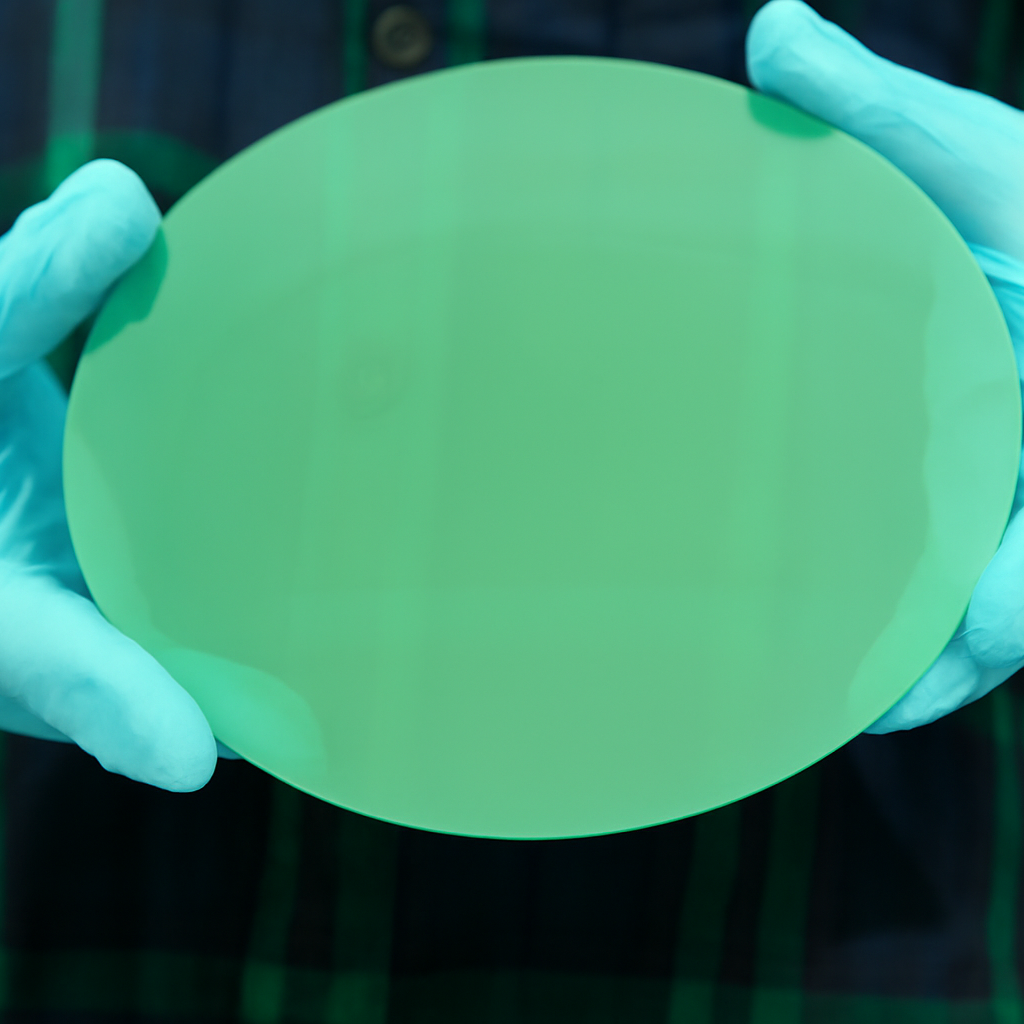
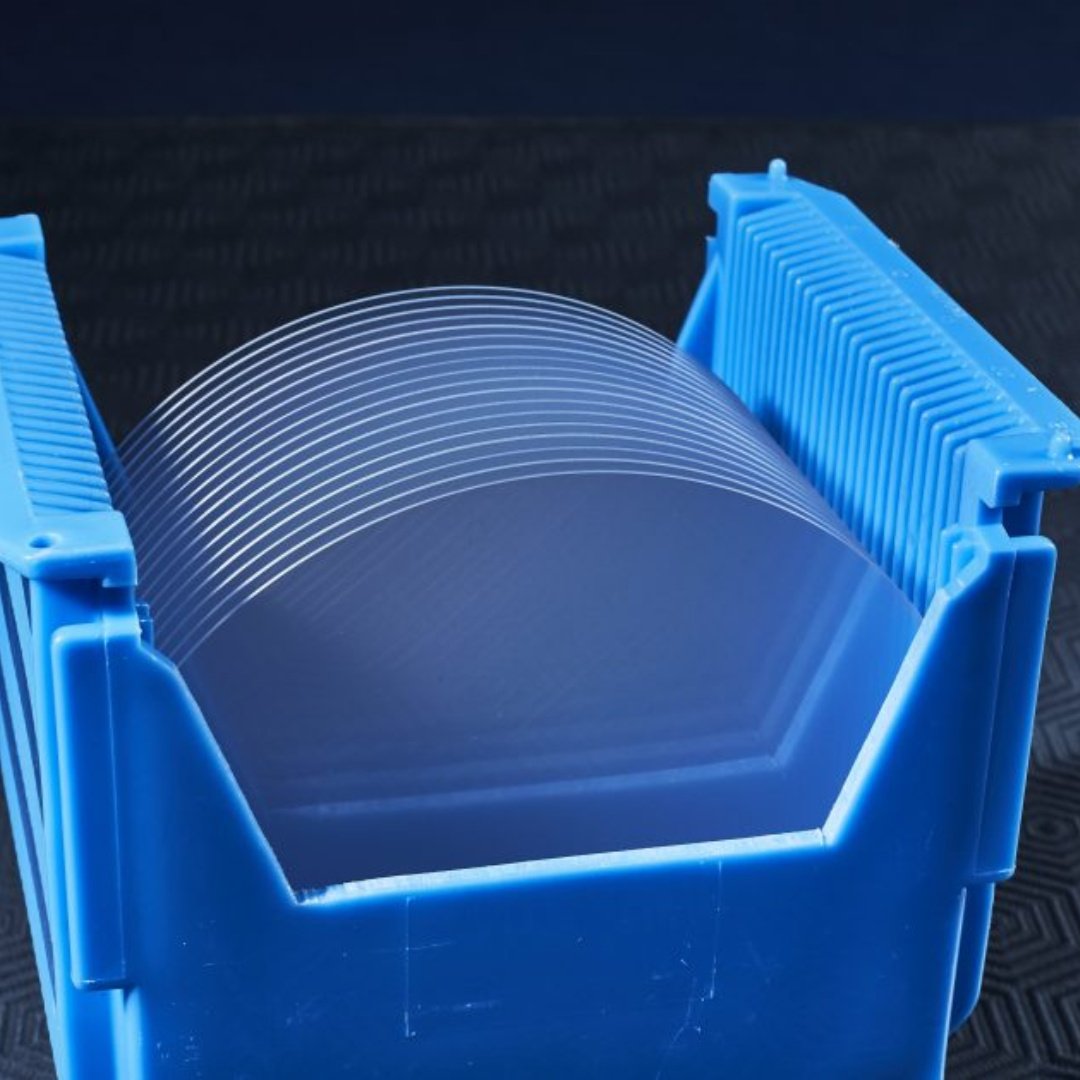
Flat or ring-shaped components used in flowmeters, optical assemblies, and precision sensors.
4. Applications
Luxury and high-end mechanical watches
Precision measuring instruments and analog gauges
Medical micro-pumps and flow controllers
Optical alignment and laser scanning systems
Gyroscopes, navigation devices, and aerospace instruments
Sensors, laboratory equipment, and metrology systems
5. Technical Specifications & Customization
| Parameter | Specification |
|---|---|
| Material | Synthetic Ruby (Cr-doped Al₂O₃) |
| Diameter Range | 0.1 mm – 10 mm |
| Thickness Range | 0.1 mm – 3 mm |
| Shapes | Flat, Concave, Cup, Ring, or Custom |
| Dimensional Tolerance | ±0.002 mm or better |
| Surface Roughness | Ra < 0.02 μm (Optical Grade) |
| Operating Temperature | Up to 1800°C |
| Color Options | Red (Ruby) or Transparent (Sapphire alternative) |
Customized designs are available based on your drawings or application requirements.
6. Advantages Over Other Materials
| Property | Ruby Bearing | Metal Bearing | Ceramic Bearing |
|---|---|---|---|
| Hardness | Very High (Mohs 9) | Medium | High |
| Friction | Extremely Low | Medium | Low |
| Corrosion Resistance | Excellent | Poor | Good |
| Thermal Stability | Excellent | Medium | Good |
| Dimensional Stability | Excellent | Medium | Good |
| Service Life | Very Long | Short to Medium | Long |
7. FAQ
Q1: What is the difference between ruby and sapphire bearings?
Both are single-crystal aluminum oxide (Al₂O₃). Ruby contains trace chromium ions (Cr³⁺), which give it a red color, while sapphire is colorless or blue. Their mechanical and chemical properties are nearly identical.
Q2: Can ruby bearings operate under high temperatures?
Yes. Ruby bearings remain structurally stable up to around 1800°C, far beyond normal operational temperatures.
Q3: Do you offer custom-made ruby bearings?
Yes. Custom geometries, surface finishes, and tolerances can be manufactured according to your drawings or specifications.