
Table of Contents
Introduction to 8-inch SiC Wafer
What Makes 8-inch SiC Wafer Unique?
Thickness of 8-inch SiC Wafers
Applications of 8-inch SiC Wafer
The Advantages of 8-inch SiC Wafers Over Silicon Wafers
Future Trends in SiC Wafer Technology
Conclusion
1. Introduction to 8-inch SiC Wafer
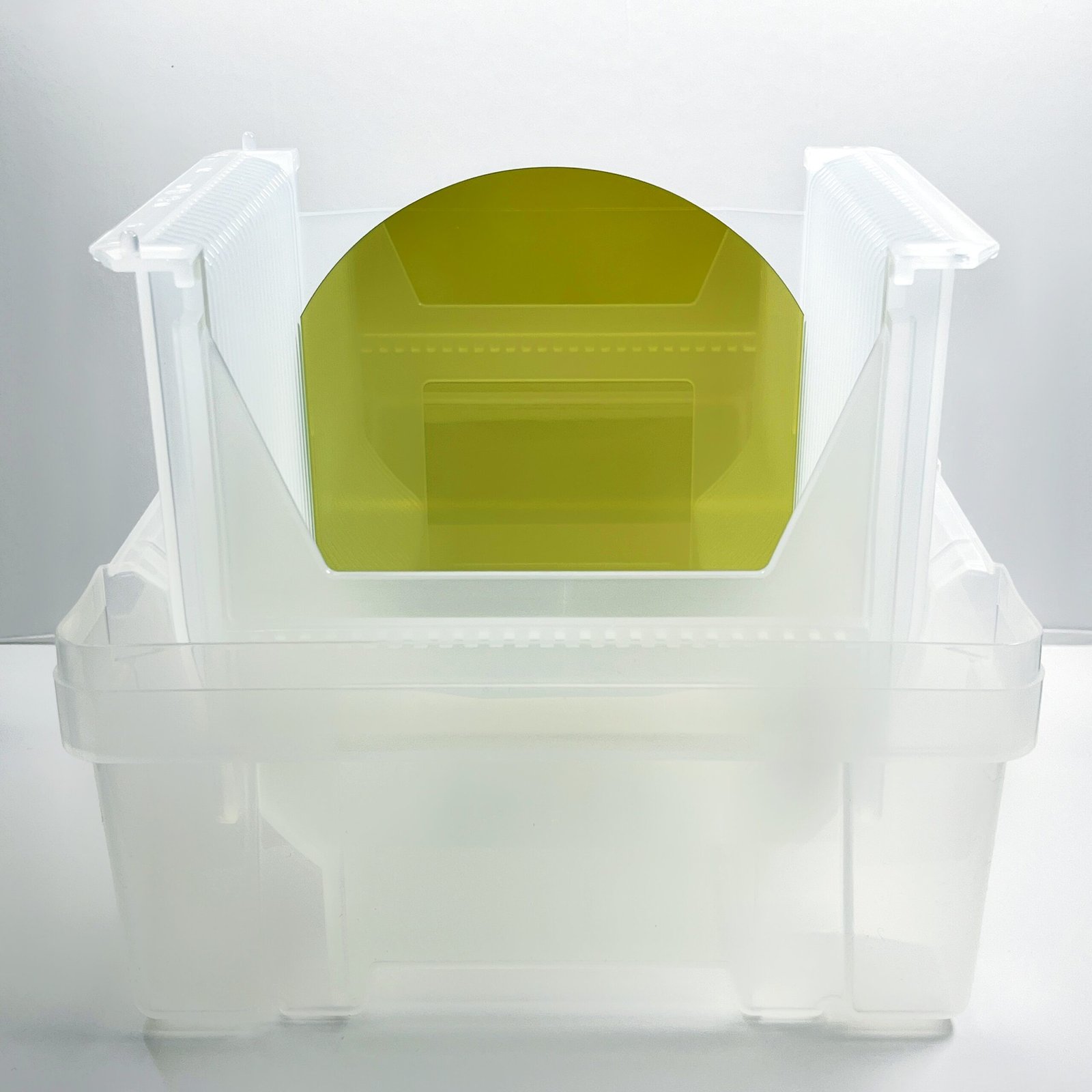
The 8-inch SiC wafer has become a key player in the world of semiconductor technology. Unlike traditional silicon wafers, SiC, or Silicon Carbide, offers superior thermal, electrical, and mechanical properties, which make it essential for high-performance applications. In this article, we will explore the various aspects of 8-inch SiC wafers, including their features, thickness, and the industries that rely on them. By the end, you will have a thorough understanding of why 8-inch SiC wafers are gaining so much attention and how they are shaping the future of electronic devices.
2. What Makes 8-inch SiC Wafer Unique?
The 8-inch SiC wafer is different from traditional silicon wafers due to the material’s exceptional characteristics. SiC possesses high voltage tolerance, superior heat resistance, and the ability to operate at higher frequencies. These advantages make 8-inch SiC wafers ideal for use in industries that require devices to perform under extreme conditions. Moreover, the transition to larger wafer sizes, such as 8 inches, offers both performance and cost efficiency. As the demand for high-performance devices grows, manufacturers increasingly prefer SiC for its ability to handle demanding applications.
3. Thickness of 8-inch SiC Wafers
When it comes to the 8-inch SiC wafer, thickness is one of the critical aspects to consider. Typically, the thickness of 8-inch SiC wafers ranges between 300 µm and 500 µm. This variation in thickness depends on the specific application and the manufacturing process. For high-power applications, a thicker wafer is generally preferred because it allows for better heat dissipation and power handling. In contrast, thinner wafers are more suitable for devices where power requirements are lower. As the 8-inch SiC wafer continues to evolve, we can expect future iterations to be optimized for even greater efficiency and performance.
4. Applications of 8-inch SiC Wafer
The versatility of the 8-inch SiC wafer makes it an integral component in several modern industries. For instance, in the automotive sector, SiC wafers are widely used in electric vehicle (EV) inverters, battery management systems, and fast-charging stations. This is due to their ability to handle high power and work efficiently at elevated temperatures. Additionally, 8-inch SiC wafers play a crucial role in renewable energy systems such as solar panels and wind turbines, enhancing the overall efficiency of power conversion systems. Other applications include telecommunications, where SiC wafers are used in high-frequency components like 5G base stations and satellites.
Furthermore, 8-inch SiC wafers are increasingly becoming indispensable in the industrial sector. They are used in power electronics, including motor drives, industrial robots, and other equipment that requires high power density and efficient energy conversion.
5. The Advantages of 8-inch SiC Wafers Over Silicon Wafers
Compared to traditional silicon wafers, 8-inch SiC wafers bring several compelling advantages. Firstly, they enable higher power densities, leading to more compact and efficient devices. Secondly, 8-inch SiC wafers can operate at higher voltages, resulting in improved energy conversion and reduced losses. Additionally, the high thermal conductivity of SiC allows devices to function at higher temperatures without requiring extensive cooling systems. This reduces the need for bulky and expensive thermal management solutions.
Moreover, 8-inch SiC wafers outperform silicon wafers in terms of reliability and durability. SiC’s resistance to heat, wear, and mechanical stress ensures longer operational lifespans. As a result, devices that use 8-inch SiC wafers generally require less maintenance and have a greater overall lifespan compared to those using silicon wafers.
In addition, 8-inch SiC wafers contribute to miniaturization. Their ability to support high-performance functionality in smaller form factors makes them ideal for applications in compact and portable devices, offering better space efficiency compared to silicon-based alternatives.
6. Future Trends in SiC Wafer Technology
Looking ahead, the 8-inch SiC wafer is expected to see continued growth and development. As demand for electric vehicles, renewable energy solutions, and high-performance electronics continues to rise, SiC technology will likely play an increasingly pivotal role. There is also an ongoing push toward developing 12-inch SiC wafers, which could further lower manufacturing costs and improve scalability. This could eventually establish the 12-inch size as the new industry standard.
Furthermore, research and development in SiC materials and wafer fabrication techniques will continue to improve wafer quality and reduce production costs. Innovations in processing methods could also enable more efficient power conversion and better device integration, leading to even greater performance in future 8-inch SiC wafers.
7. Conclusion
In conclusion, the 8-inch SiC wafer is revolutionizing the semiconductor industry by offering superior performance, efficiency, and longevity compared to traditional silicon wafers. These wafers have become indispensable in industries such as electric vehicles, renewable energy, and telecommunications, thanks to their ability to handle high power, high frequencies, and extreme temperatures. As the technology evolves, 8-inch SiC wafers will continue to pave the way for the next generation of electronic devices. Their potential is only just beginning to be realized, and as demand grows, they will undoubtedly become even more crucial in shaping the future of modern electronics.